I remember the first time I roasted a whole head of garlic to mash into potatoes: the kitchen smelled warm and slightly sweet, and the potatoes picked up that mellow garlic without any harsh bite. These roasted garlic mashed potatoes deliver that gentle garlic flavor I want on holiday plates and weeknight dinners alike. The roasted garlic mashed potatoes focus on achieving a silky, not gummy, texture while keeping the method straightforward for busy families.
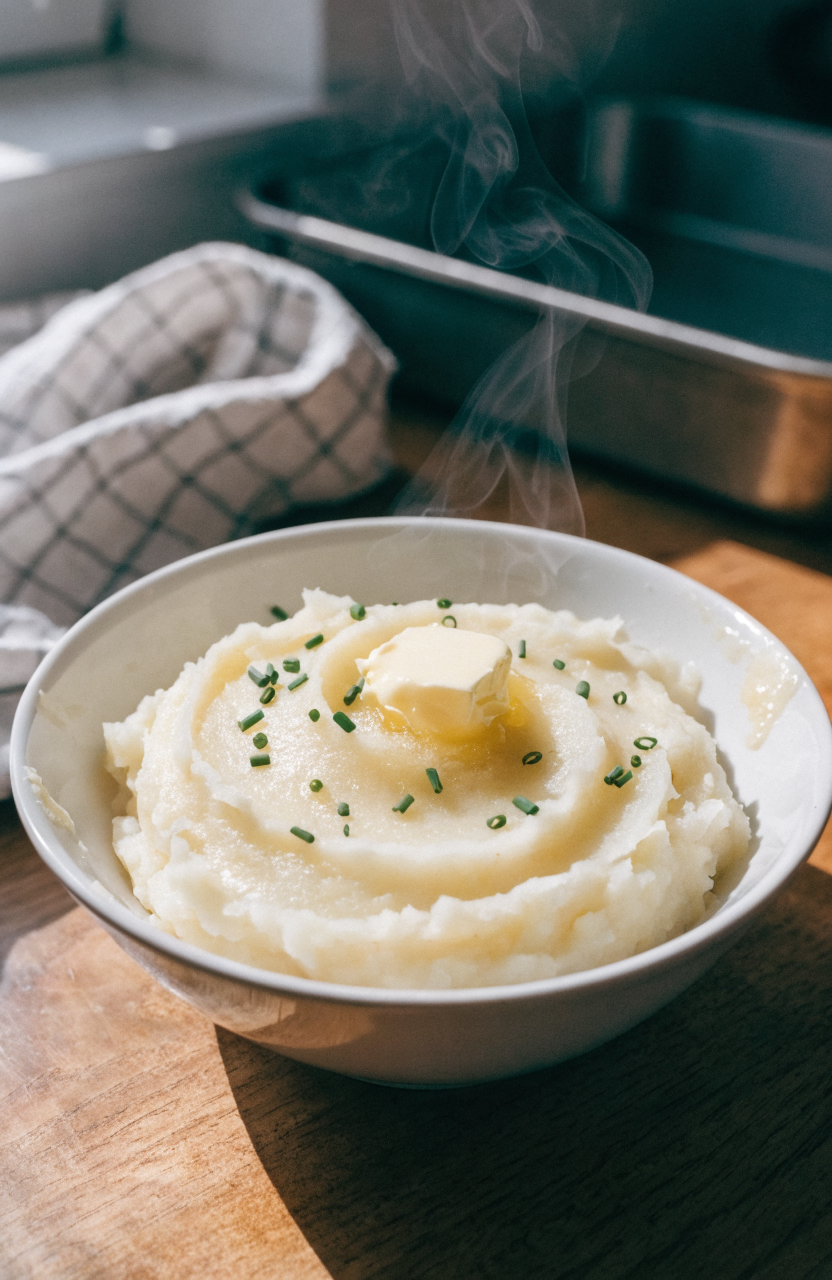
Why this roasted garlic mashed potatoes recipe works
The core technique is simple: roast garlic until soft and caramelized, then stir the paste into hot, drained potatoes so the starches stay loose. I tested different potato varieties, and a 2:1 ratio of russet to Yukon gold gives creaminess without becoming gluey. The other important ratio is liquid-to-potato: start with warm dairy (milk and cream) and add slowly until the texture looks right. What changed during testing was the order of combining: I used to mash cold potatoes and then add warm dairy, which made the mash stiff. Mashing while the potatoes are hot and folding in the warm butter and milk gives a silkier result. This recipe fits Riva Recipes’ practical style by offering dependable timing and appliance guidance while keeping the method easy enough for weeknight cooks.
Key takeaways
- Roast garlic separately and mash into a paste before adding to potatoes for even flavor.
- Use hot, not cold, dairy added gradually to avoid gumminess.
- Drain potatoes thoroughly and return them to the warm pot to evaporate excess moisture before mashing.
Ingredients you’ll need and what to substitute
For reliable roasted garlic mashed potatoes you’ll want a mix of starchy and waxy potatoes: russets add fluffiness while Yukon golds add buttery texture. Whole heads of garlic are roasted until the cloves are soft—that mellowed roasted garlic paste blends into the potatoes without sharpness. I call for both butter and a splash of heavy cream for richness; if you prefer lighter mash, use whole milk instead of cream and reduce butter by 1 tablespoon. For dairy-free, swap the butter for a neutral oil and use full-fat coconut milk or a plant-based creamer, but expect a slightly different mouthfeel and flavor.
Realistic substitutions: if you only have russets, use all russets and add an extra tablespoon of butter for richness; if you only have Yukon golds, the mash will be denser and creamier—consider increasing the milk by 2 tablespoons. If you don’t have fresh garlic, 2 to 3 teaspoons of roasted garlic paste or 1 teaspoon garlic powder can work in a pinch but won’t replicate the roast’s sweetness. For quicker prep, jarred roasted garlic in oil can be used—drain most of the oil and use 2 to 3 cloves’ worth.
Equipment
Essential tools are a rimmed baking sheet for roasting garlic, a medium saucepan or 6-quart pot for boiling potatoes, and a sturdy potato masher or ricer. I prefer a 6-quart pot so steam can escape when returning potatoes to dry briefly. A hand mixer can be used for extra-smooth mash, but mixing too long will make the potatoes gummy—I recommend a ricer or masher for most families. A small bowl or ramekin is handy for mashing the roasted garlic first.
How to make roasted garlic mashed potatoes
Roasting the garlic
Preheat the oven to 400°F. Slice the top off two heads of garlic to expose the cloves, drizzle with 1 teaspoon olive oil total, wrap in foil, and roast for 35 to 40 minutes until the cloves are very soft and lightly browned. Let cool slightly, then squeeze or mash the softened cloves into a paste. This step gives a mellow, lightly sweet garlic flavor that blends smoothly into the mash.
Preparing the potatoes
While the garlic roasts, peel (if desired) and cut 2 pounds of potatoes into uniform 1½-inch chunks so they cook evenly. Place the potatoes in a large pot, cover with cold water by about 1 inch, add 1 teaspoon kosher salt, bring to a boil over high heat, then reduce to a simmer and cook until the potatoes are fork-tender—about 15 to 20 minutes depending on chunk size. Cooking from cold water helps the interiors cook evenly.
Draining and drying
Drain the potatoes in a colander and return them to the hot, empty pot off the heat for 1 to 2 minutes to let steam escape; tossing gently helps evaporate excess surface moisture. This prevents watery mash.
Mashing and finishing
Use a potato ricer or masher to break up the warm potatoes. Meanwhile, warm 4 tablespoons unsalted butter and 1 cup whole milk with 2 tablespoons heavy cream in a small saucepan until the butter melts and the liquid is hot but not boiling. Gradually add the warm butter-and-milk mixture to the potatoes, stirring gently between additions until the desired texture is reached. Fold in the roasted garlic paste and season with salt and ¼ teaspoon black pepper, tasting and adjusting. If you want a silkier finish, stir in an extra tablespoon of butter or up to 2 more tablespoons of warm milk. Serve immediately, or keep warm over very low heat, stirring occasionally.
The most important mistake to avoid is over-mixing once the dairy is added—overworking releases starch and causes gumminess. Hot potatoes, warm dairy, and a light hand are the part that matters here.
Things I learned the hard way
- If your potatoes taste watery, you likely returned them to the pot before draining long enough—drain well and let steam off for a minute or two.
- When I used cold milk straight from the fridge, the mash tightened—now I always warm the milk and butter first.
- Overusing a hand mixer made the mash gummy the first time; a ricer or short bursts with a masher keeps the texture fluffy.
- Roasting too long at high heat can dry the garlic—400°F for 35–40 minutes gives soft, spreadable cloves without bitterness.
- I once added all the dairy at once; adding liquid gradually lets you control consistency and prevents runny mash.
Variations to try
- Cheesy roasted garlic mashed potatoes: Stir in ¾ cup shredded sharp cheddar at the end over low heat until melted; reduce cream by 2 tablespoons to avoid looseness.
- Herb-roasted garlic mash: Fold in 2 tablespoons minced chives and 1 tablespoon chopped parsley after mashing; no timing change is required.
- Brown-butter roasted garlic mash: Brown the butter in the pan until nutty before adding to warmed milk, then proceed—use slightly less butter (3 tablespoons) because brown butter tastes richer.
- Garlic-and-sour-cream version: Replace 2 tablespoons of cream with ¼ cup sour cream for tang, and reduce milk by 2 tablespoons to keep texture steady.
Storage, freezing, and reheating
Refrigerator: Store leftovers in an airtight container for up to 4 days. Cool to room temperature no longer than 2 hours before refrigerating. Freezing: Mashed potatoes can be frozen but expect slight texture change; place in a freezer-safe container with a tight lid and freeze up to 3 months. Thaw overnight in the refrigerator.
Reheating: For stovetop reheating, place potatoes in a saucepan over low heat, add 2 to 4 tablespoons of milk or cream, and stir gently until hot, about 8–12 minutes. For oven reheating, spread potatoes in a baking dish, dot with 1 tablespoon butter per cup, cover with foil, and bake at 350°F for 20–25 minutes until heated through. Microwaving works for single servings—stir every 60 seconds and add a splash of milk to restore creaminess. Expect the mash to tighten slightly after refrigeration; adding warm dairy and gently whisking while reheating restores texture.
What to serve with roasted garlic mashed potatoes
These mashed potatoes pair well with roasted or baked chicken, green beans almondine, pan-seared salmon, or a simple gravy or pan sauce. They also work as a creamy base for braised short ribs or a holiday turkey plate. For a lighter side, serve alongside a crisp vinaigrette-dressed salad to balance richness.
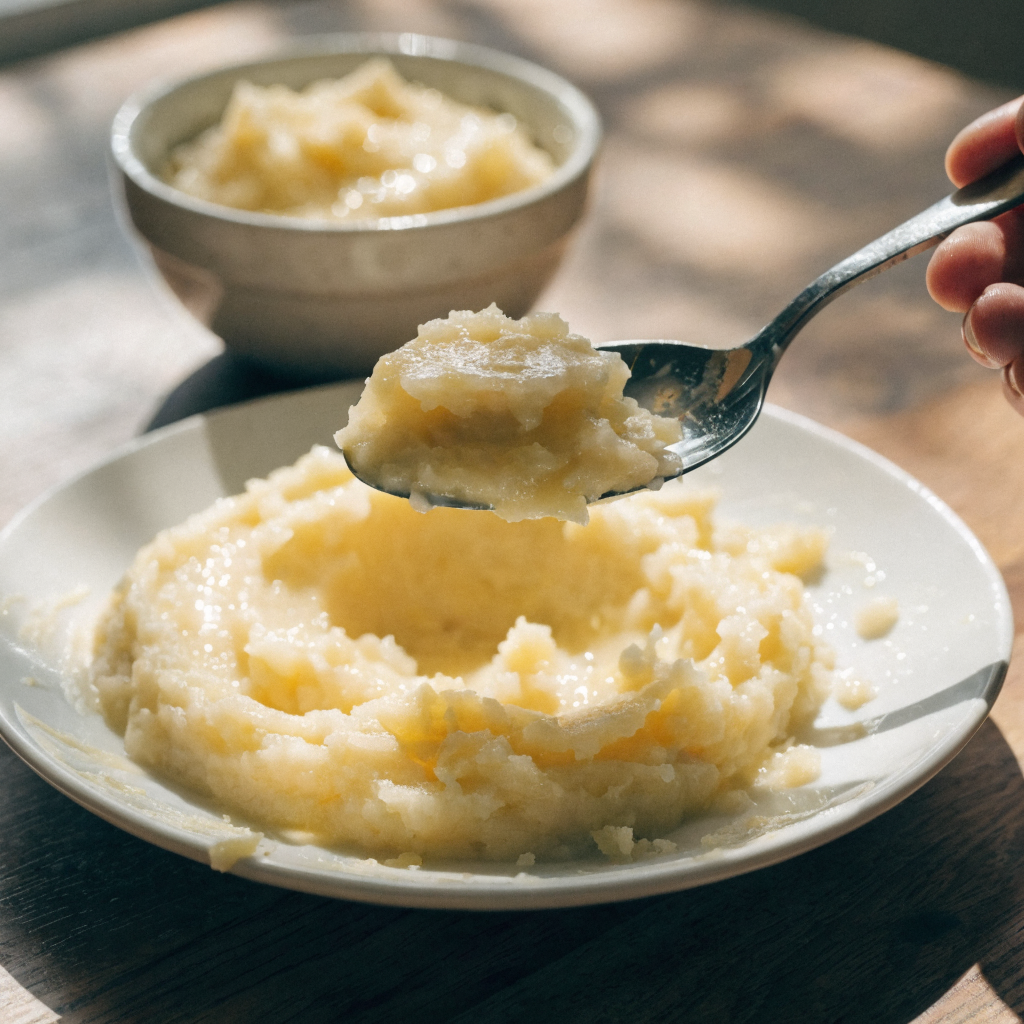
Roasted Garlic Mashed Potatoes
Ingredients
Equipment
Method
- Preheat oven to 400°F, slice the top ¼ inch off each garlic head to expose cloves, place on a rimmed baking sheet, drizzle with 1 teaspoon olive oil, wrap loosely in foil, and roast 35 to 40 minutes until cloves are soft and lightly browned; let cool slightly, then squeeze or mash cloves into a paste and set aside.
- Place potato chunks in a 6-quart pot, cover with cold water by 1 inch, add 1 teaspoon kosher salt, bring to a boil over high heat, then simmer until fork-tender, about 15 to 20 minutes; drain well in a colander.
- Return drained potatoes to the hot, empty pot off the heat for 1 to 2 minutes and gently toss to let excess steam evaporate.
- Mash the hot potatoes with a ricer or masher until mostly lump-free; warm 4 tablespoons butter with 1 cup whole milk and 2 tablespoons heavy cream in a small saucepan until hot and butter is melted, then add the warm liquid to the potatoes gradually while stirring until you reach the desired silky consistency.
- Stir in the roasted garlic paste, season with ¼ teaspoon black pepper and additional salt to taste; for extra-smooth potatoes, fold in an extra tablespoon of butter or up to 2 more tablespoons of warm milk.
- If using cheddar, stir in ¾ cup shredded cheddar over low heat until melted; garnish with 2 tablespoons chopped chives if desired and serve immediately.
Notes
Frequently asked questions
Can I make roasted garlic mashed potatoes ahead of time? Yes—make them up to a day ahead and refrigerate; reheat gently with a splash of warm milk and stir to restore texture. If freezing, follow the freezing instructions above and be aware of a slight texture change.
Which potatoes are best for mashed potatoes? A mix of russet and Yukon gold gives the best balance: russets provide fluff, Yukon golds add creaminess. All-russet works for a lighter, fluffy mash; all-Yukon gives denser, buttery mash.
How many garlic heads should I use? Two medium heads give a pronounced but mellow garlic flavor for 2 pounds of potatoes; use one head if you want a subtler note. Adjust to taste.
Why did my mashed potatoes turn gluey? Gluey texture comes from overworking or adding cold dairy. Use a light hand, mash while potatoes are still hot, and add warm milk gradually. Avoid excessive mixing with an electric mixer.
Can I use roasted garlic from a jar? Yes—use 2 to 3 teaspoons jarred roasted garlic paste, draining excess oil. Fresh-roasted garlic yields the best flavor but jarred works in a pinch.
Can I leave the skins on? Yes, leaving skins on gives more texture and reduces prep. Yukon gold skins are thin and pleasant; russets can be left on if scrubbed and if you prefer a more rustic mash.
Closing
These roasted garlic mashed potatoes balance mellow garlic flavor with a reliable, non-gummy texture—perfect for family dinners and holiday plates alike. I hope the troubleshooting tips save you time and the kids ask for seconds.

Leave a Reply